
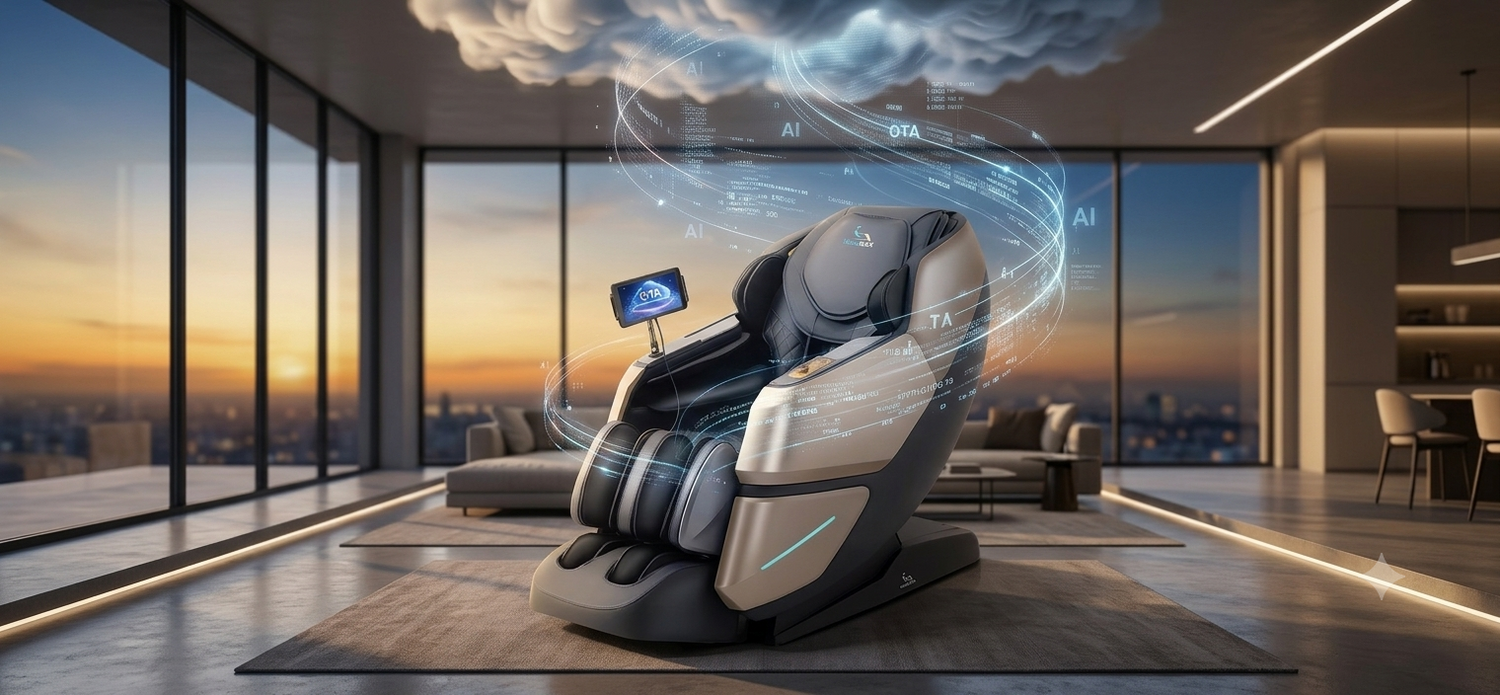
The massage chair industry has evolved significantly over the past few decades, driven by advancements in technology and growing consumer demand for relaxation and wellness solutions. Understanding the history and current trends of this industry provides insight into its development and future directions.
History of the Massage Chair Industry
1. Early Beginnings
The concept of mechanical massage can be traced back to ancient times, with early devices designed to replicate manual massage techniques. However, modern massage chairs as we know them began to emerge in the mid-20th century. The first wave of massage chairs, primarily from Japan, was characterized by basic mechanical features and limited functionality.
2. Technological Advancements (1980s-1990s)
In the 1980s and 1990s, technological advancements began to transform the massage chair industry. Companies like Panasonic and Fujiiryoki introduced chairs with more sophisticated mechanical systems, including rollers and airbags, that mimicked various massage techniques such as kneading and tapping. This period marked the transition from manual to electronic controls, enhancing user convenience and functionality.
3. The Era of Innovation (2000s-Present)
The early 2000s saw significant innovations in massage chair technology. The introduction of 3D and 4D massage mechanisms allowed for deeper and more customized massage experiences. Features such as body scanning, heat therapy, and zero-gravity positioning became common, offering enhanced comfort and effectiveness. The integration of digital controls, user-friendly interfaces, and pre-programmed massage routines further revolutionized the industry.
4. Expansion and Globalization
In recent years, the massage chair industry has expanded globally, with major brands establishing a presence in various international markets. This globalization has led to increased competition and the proliferation of advanced models incorporating cutting-edge technology, such as artificial intelligence and machine learning, to provide personalized massage experiences.
Current Trends in the Massage Chair Industry
Industry Technological Integration & AI Technology
The integration of advanced technologies, such as AI and IoT (Internet of Things), is a prominent trend in the industry. Modern massage chairs often feature smart sensors that analyze user posture and customize the massage accordingly. AI algorithms are being used to refine massage programs based on user feedback and preferences.
As a leader in smart wellness technology, our A580 and MT339 models undergo continuous, evolutionary upgrades. Equipped with cutting-edge OTA (Over-The-Air) Cloud technology, these chairs can seamlessly download the latest massage programs and software optimizations directly from the cloud, ensuring that your massage chair never gets old and always stays ahead of the curve.
Customization and Personalization
Personalization is a major focus, with manufacturers offering customizable massage settings, including intensity, speed, and type of massage. Many chairs now come with apps or remote controls that allow users to create and save their own massage programs, tailoring the experience to individual needs.
3. Health and Wellness Focus
There is an increasing emphasis on health and wellness, with many massage chairs incorporating features like health monitoring sensors, which track metrics such as heart rate, blood pressure, and stress levels. These features aim to provide a holistic approach to health management and relaxation.
Design and Aesthetics
The design of massage chairs has become more sophisticated, with a focus on aesthetics and integration into modern living spaces. Manufacturers are creating chairs that blend seamlessly with home décor, offering stylish and ergonomic designs that appeal to a broader range of consumers.
Sustainability and Eco-Friendly Materials
As environmental concerns grow, there is a trend towards using eco-friendly materials and sustainable manufacturing practices. Companies are exploring ways to reduce the environmental impact of their products by using recyclable materials and minimizing waste during production.
Enhanced User Experience
User experience remains a key priority, with innovations aimed at improving comfort and ease of use. Features such as memory foam padding, heated massage elements, and intuitive touch screens are becoming standard, enhancing the overall enjoyment and effectiveness of the massage.
Conclusion
The massage chair industry has undergone remarkable transformation, evolving from basic mechanical devices to sophisticated, technologically advanced wellness solutions. As technology continues to advance and consumer preferences shift towards greater personalization and health benefits, the industry is poised for further growth and innovation. Understanding these historical developments and current trends provides valuable insight into the future of massage chairs and their role in promoting well-being and relaxation.

Leave a comment
This site is protected by hCaptcha and the hCaptcha Privacy Policy and Terms of Service apply.